


The US–South Africa Bilateral Relations Review Bill has passed through the House Committee. It allows the US President to investigate and potentially sanction South African officials over alleged threats to US interests, support for Hamas, ties with Iran and Russia, and the ICJ genocide case against Israel. This could trigger economic sanctions under IEEPA and Magnitsky laws, impacting South Africa’s economy, parastatals, and international relations.

Description:
ZASM successfully fought Western sanctions on Zimbabwe using UN reports, legal action, and diplomatic pressure. Their efforts led to the U.S., EU, and UK lifting sanctions, restoring over 100 correspondent banking relationships. Zimbabwe can now process Visa, Mastercard, and international transfers freely. This marks a major financial and diplomatic victory, unlocking trade, investment, and economic recovery for the country after 24 years of isolation.
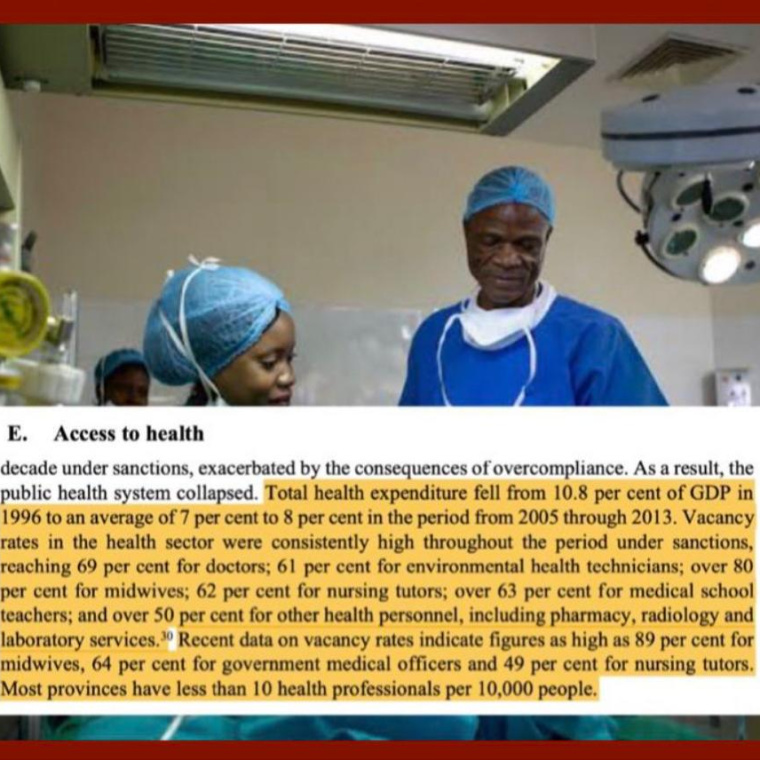
Zimbabwe’s healthcare system, once functional, has been decimated not by internal misgovernance alone but by 24 years of debilitating Western sanctions—sanctions that eroded the tax base, slashed health funding, and triggered a mass exodus of medical professionals. Backed by findings from the UN Human Rights Council and the U.S. Congress, this article explores how these sanctions crippled a nation’s ability to provide healthcare, the staggering $101 billion needed to restore it, and the real question Zimbabweans must ask: who will fund the health system we now demand? #WeNeedReparations


This article explores the rise of Scott Sakupwanya in Zimbabwe’s gold industry, highlighting his pivotal role in transforming the country’s gold trade, overcoming sanctions, and challenging the legacy dominance of white gold buyers. It delves into the political and economic implications of his success, the involvement of key figures like Kuda Tagwirei, and the criticism from Western media and business interests as Zimbabwe’s gold production breaks records and shifts power dynamics in the sector.