
African business elites African governance African leadership Akribos economic control Kuda Tagwirei land ownership land reform Zimbabwe land tenure political analysis resource ownership Sakunda Sovereignty WEF World Economic Forum Zimbabwe agriculture Zimbabwe banks Zimbabwe economy Zimbabwe elections Zimbabwe politics
The unfolding geopolitical conflicts involving the United States, Iran, Venezuela, and strategic mineral regions reveal a deeper global contest for energy, minerals, and financial dominance. This analysis examines how military pressure, sanctions, and control of oil supply chains could reshape the global balance of power between the United States, China, and the BRICS bloc, potentially determining the future of the emerging multipolar world order.
Zimbabwe stands at a critical geopolitical crossroads as the global race for strategic minerals intensifies in the age of artificial intelligence, green energy, and advanced military technologies. With the West and China competing for control of rare earth minerals, lithium, cobalt, and copper, resource-rich regions like Southern Africa are becoming central to global power struggles. This analysis examines how the new geopolitical scramble for minerals could reshape international relations and why Zimbabwe must carefully navigate the emerging era of resource-driven global competition.
In this detailed clarification, Rutendo Matinyarare addresses Professor Mungano’s statements on ZDERA and sanctions, explaining the difference between executive order sanctions, ZDERA legislation, and the true timeline of Zimbabwe’s loan restrictions. He outlines how sanctions on Zimbabwe were officially repealed in 2024 and clarifies U.S. policy misinterpretations to educate the public and set the record straight.
The US–South Africa Bilateral Relations Review Bill has passed through the House Committee. It allows the US President to investigate and potentially sanction South African officials over alleged threats to US interests, support for Hamas, ties with Iran and Russia, and the ICJ genocide case against Israel. This could trigger economic sanctions under IEEPA and Magnitsky laws, impacting South Africa’s economy, parastatals, and international relations.
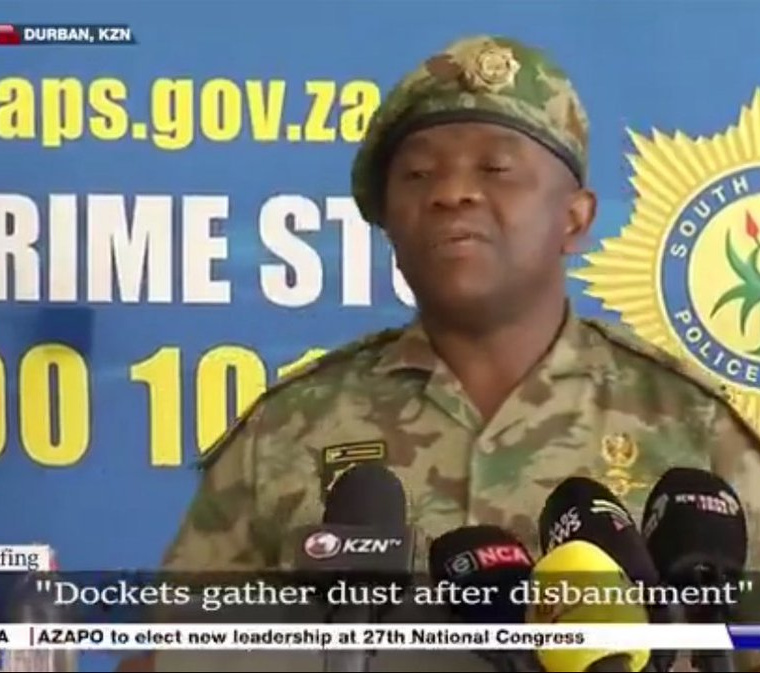
General Mkhananzi is praised for fighting crime in KZN, but serious concerns arise over his links to private security firms, extrajudicial killings, and anti-black rhetoric. This article explores his troubling alliances with apartheid-linked militias and foreign-controlled private armies, raising questions about whether his war on crime serves justice—or entrenches systemic violence and oppression in South Africa
Description:
ZASM successfully fought Western sanctions on Zimbabwe using UN reports, legal action, and diplomatic pressure. Their efforts led to the U.S., EU, and UK lifting sanctions, restoring over 100 correspondent banking relationships. Zimbabwe can now process Visa, Mastercard, and international transfers freely. This marks a major financial and diplomatic victory, unlocking trade, investment, and economic recovery for the country after 24 years of isolation.