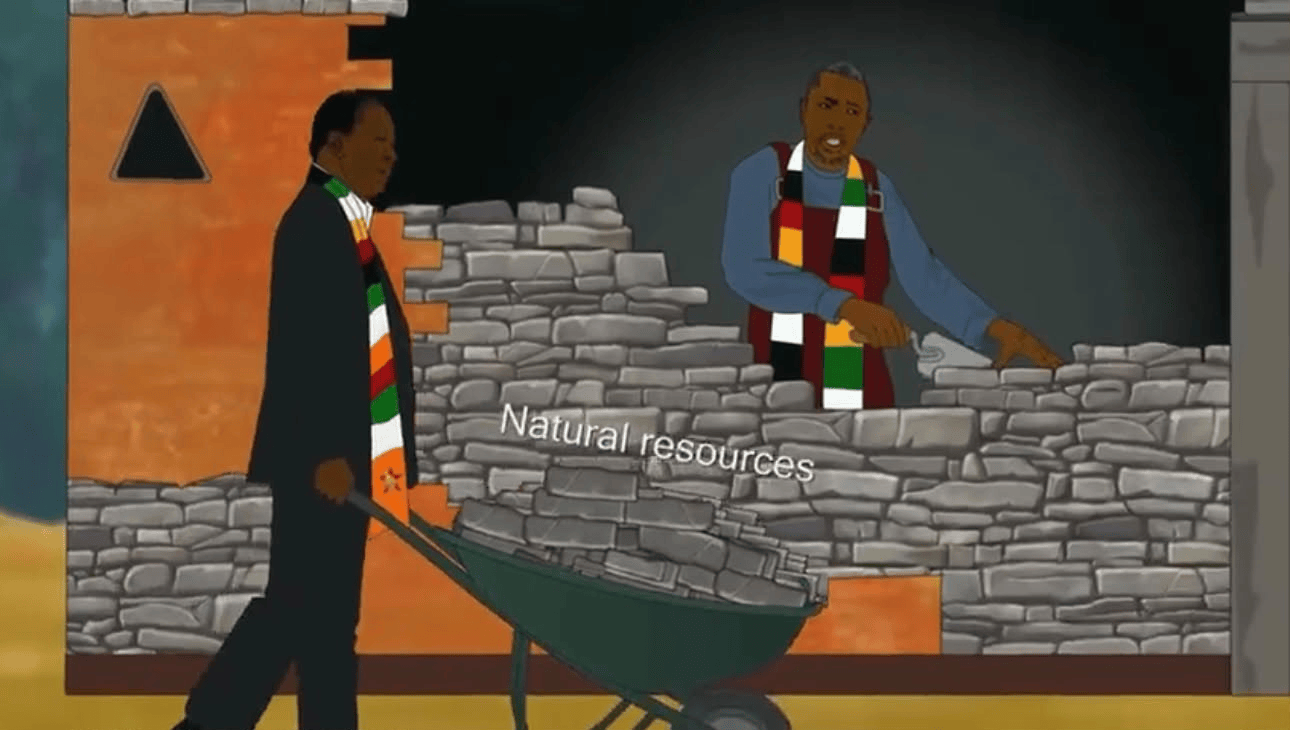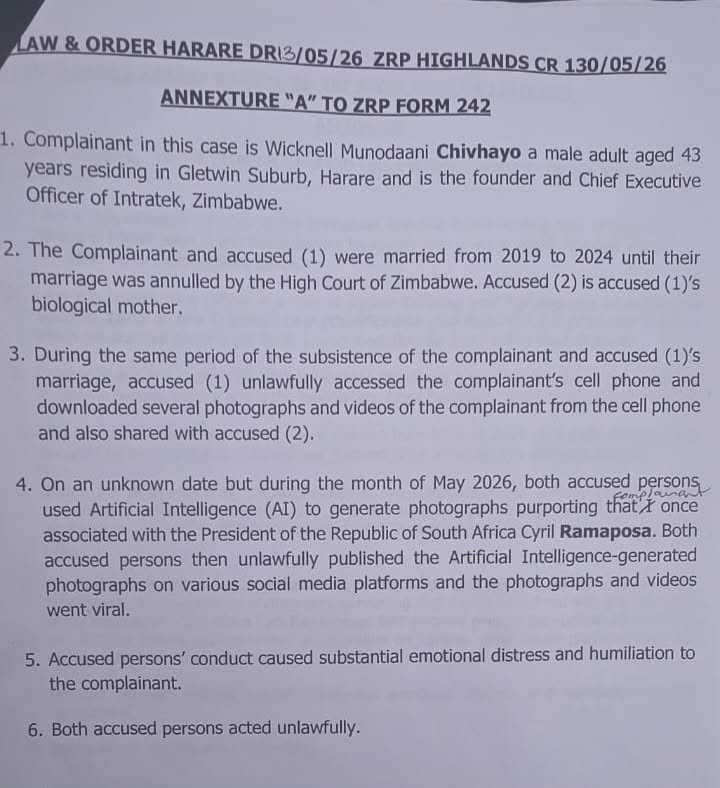
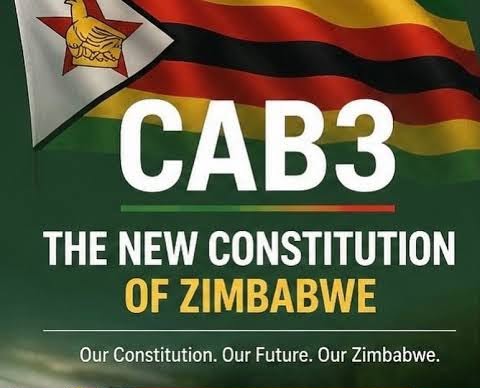
Constitutional Amendment Bill No. 3 is still far from becoming law. This article examines the legislative process that CAB3 must navigate, from committee reviews and parliamentary debates to Senate consideration, presidential assent, and Constitutional Court scrutiny. It also explores the legal and political challenges facing the Bill, and whether Zimbabweans, the international community, and the security establishment will ultimately accept its outcome as constitutional and legitimate.
Two years after the removal of U.S. executive order sanctions and EU Council Regulation sanctions, Zimbabwe has received new cancer treatment machines from the Netherlands for the first time in over two decades. Rutendo Matinyarare examines how the lifting of sanctions enabled Zimbabwe to repair existing cancer therapy equipment, access international payments systems, import critical medical technology, and restore healthcare capacity at hospitals such as Parirenyatwa and Mpilo. The article argues that sanctions severely affected healthcare delivery, access to medical equipment, medicines, and the right to life, while highlighting the governmentโs efforts to rebuild Zimbabweโs healthcare infrastructure following sanctions relief.
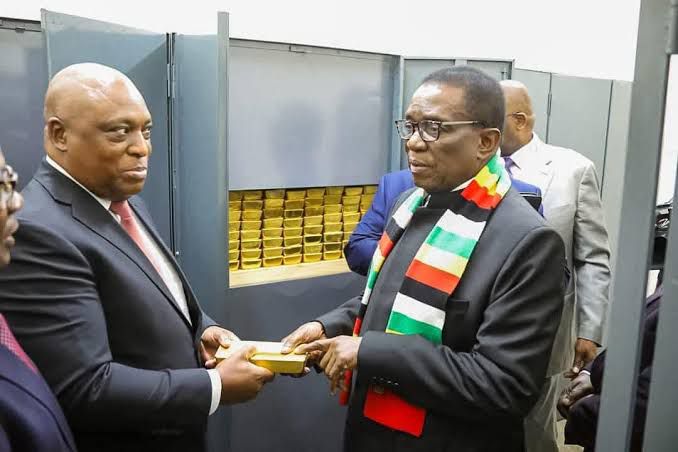
Zimbabwe is losing billions in gold revenues as private exporters bypass Fidelity Printers and Refineries, depriving the state of royalties, foreign currency, and refining profits. This article examines gold smuggling, sanctions removal, Dubai gold exports, LBMA certification, corruption allegations, and the economic impact on Zimbabweโs reserves, debt repayment, infrastructure development, and mineral sovereignty.
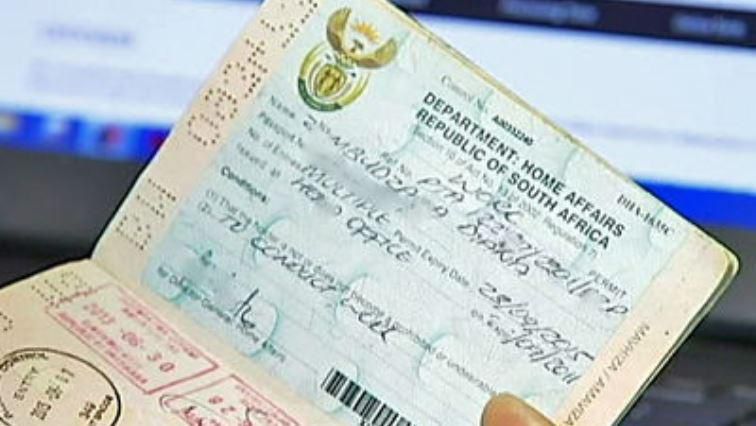
South Africa has opened a pathway for Zimbabwe Exemption Permit (ZEP) holders to apply for permanent residency, marking a major policy shift with long-term implications for the Zimbabwean diaspora. This development follows sustained advocacy efforts led by Simba Chitando, whose campaign has highlighted the critical role of diaspora remittances in sustaining Zimbabweโs economy during periods of sanctions. While this decision provides relief and stability for many Zimbabweans living in South Africa, it also raises deeper questions about economic reform and the need to address the root causes of migration.
The unfolding geopolitical conflicts involving the United States, Iran, Venezuela, and strategic mineral regions reveal a deeper global contest for energy, minerals, and financial dominance. This analysis examines how military pressure, sanctions, and control of oil supply chains could reshape the global balance of power between the United States, China, and the BRICS bloc, potentially determining the future of the emerging multipolar world order.