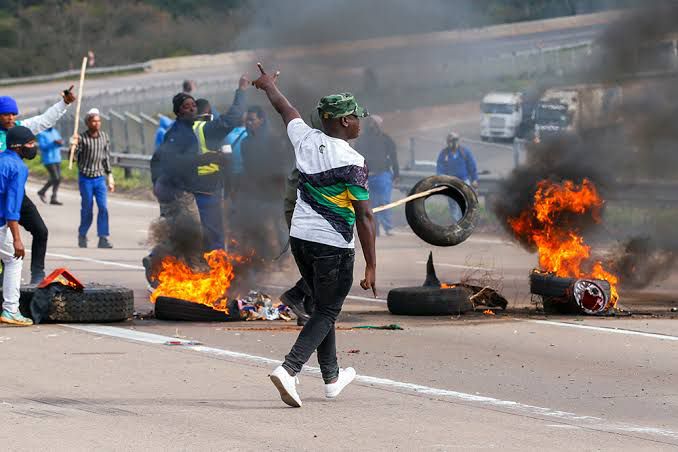
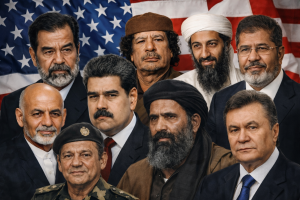
 The Venezuelan government was toppled two weeks ago after 28 years of U.S. and Western sanctions destroyed the economy, triggered disputed elections, and created a justification for U.S. intervention. Today, Iranians are protesting severe economic hardships after their country has been under sanctions since 1979, with the U.S. now openly planning possible military intervention after decades of economic strangulation that has destabilized the republic and fostered internal divisions.
In December 2024, the Syrian government was removed after 42 years of on-and-off sanctions devastated the economy, leading to civil war, U.S. intervention, and the eventual toppling of the leadership, followed by an ISIS takeover.
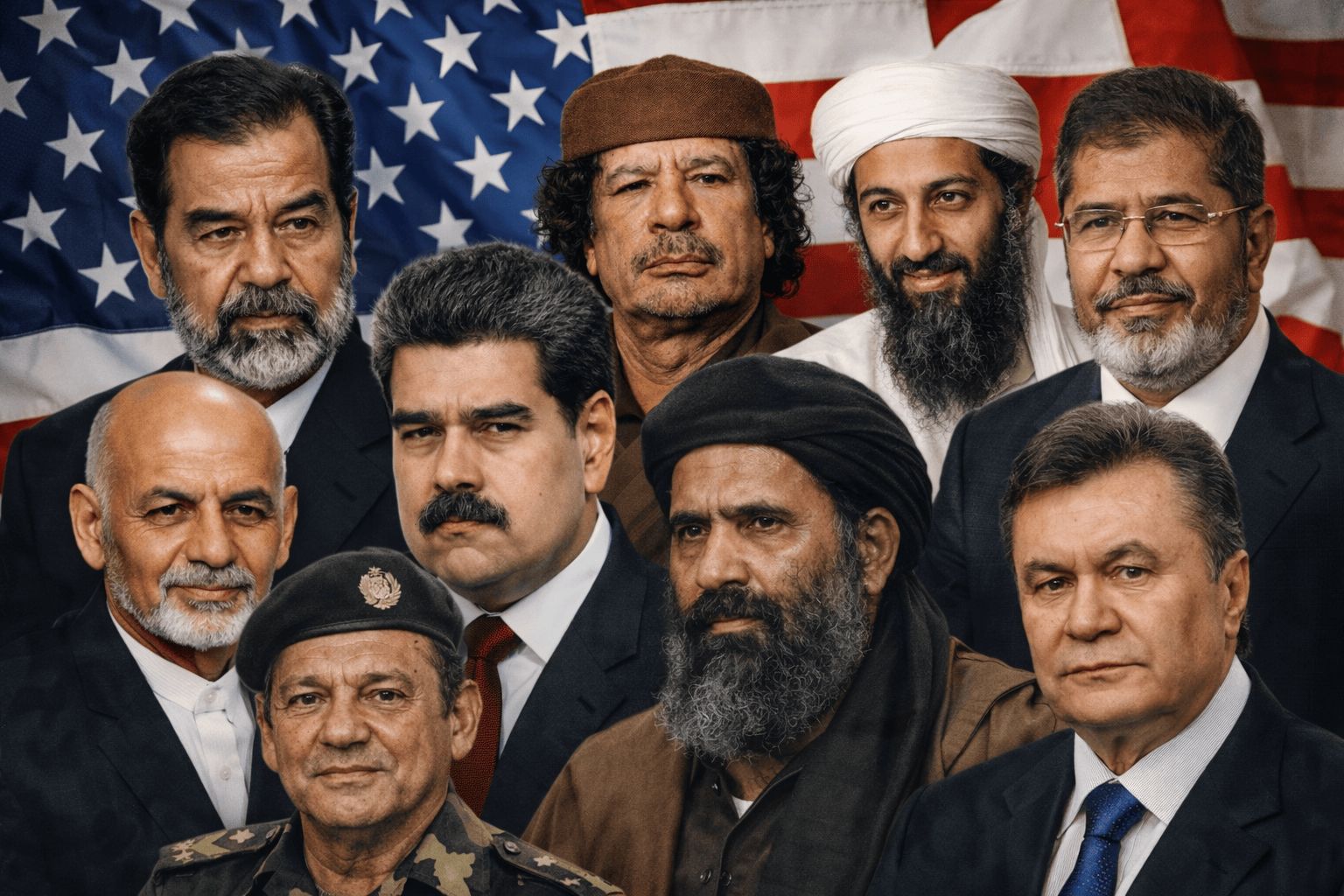
Saddam Hussein was removed in 2003 after Iraq had been under sanctions since 1990—sanctions that collapsed the economy and led to civil war, U.S. and NATO intervention, and the installation of an opposition government.
In Libya, Muammar Gaddafi was overthrown in 2011 after 21 years of sanctions that fuelled protests, civil war, and NATO and U.S. intervention. A similar strategy was applied to Afghanistan; however, the Taliban ultimately resisted U.S. occupation and regime-change efforts for 20 years, until the U.S. retreated in failure.
Do you see the pattern? Sanctions are imposed on nations the U.S. does not favor—often because their resources remain in the hands of their people. These sanctions trigger economic collapse, protests, disputed elections, civil unrest or war, Western intervention, and ultimately regime change.
Zimbabwe almost reached that point, but it was fortunate to have an effective politically conscious anti-sanctions lobby that recognised the threat posed by prolonged sanctions—civil unrest and regime change. As a result, groups like ZASM (Zimbabwe Anti-Sanctions Movement) fought relentlessly, shifting the battle from Zimbabwe versus the U.S. to the UN, SADC, and South Africa versus illegal U.S. persecution of Zimbabweans. This pressure forced the removal of sanctions, stabilised the country, and allowed economic growth, averting the prospect of regime change invasion.
We also neutralised the opposition by persuading the South African government to stop recognising them and to reject disputes around the 2023 elections—despite Nevers Mumba being strategically used to produce a scathing report intended to open the door for U.S. intervention via AFRICOM’s outpost in Zambia.
Zimbabweans should therefore be grateful that organisations like ZASM transformed the fight against U.S. sanctions into a multilateral confrontation—UN, SADC, and South Africa versus illegal U.S. sanctions on civilians. This pressure led to their removal, easing constraints on the economy, healthcare, and service delivery, and ultimately averting the conditions necessary for regime change.
Today, the U.S. has similarly imposed sanctions on Russia and China. By toppling leaders in some of the world’s most oil-rich countries that are allies of the two, it seeks to prop up the petrodollar and deny Russia and China access to energy resources, hoping to weaken and ultimately collapse them, as it did the Soviet Union. If history is to go by, it shows this strategy succeeded against the USSR, and China and Russia have thus far not countered U.S. machinations to encircle their proxies and pivots to try and deny them access to oil.
Written by Rutendo Matinyarare Chairman of ZASM.