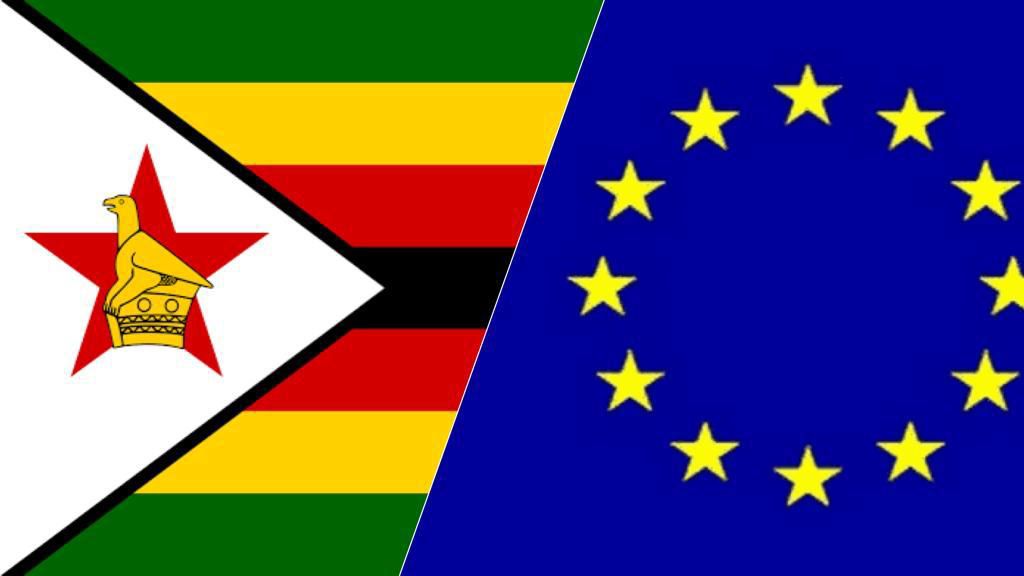
 In Zimbabwe, too many people are too eager to prove Rutendo a liar on the issue of sanctions but they don’t take time to research and understand the legality and formalities around western sanctions.
This is why yesterday, after a German representative of the EU announced that the EU removed sanctions on Zimbabwe this year by removing Council Decision 2011/101/CFSP, many on X tagged me saying that I lied about the removal of EU sanctions on Zimbabwe removed over the past two years.
However, what I found hilarious is how many of them conveniently forgot that the same EU made a similar announcement last year on the 15th of February 2025, when they said they removed the last and only remaining sanctioned Zimbabwean entity: Zimbabwe Defence Industries from EU sanctions, and thus there were no sanctions on Zimbabwe.
This meant that after the ZDI was removed from sanctions last year, there was no Zimbabwean entity, individual, or institution under EU sanctions. As a result, Zimbabwe as a country and its entities could get duty-free access into the EU; they could buy tools and machines and pass payments through the EU banking system without any former restrictions that were there before the U.S. removed its sanctions in 2024. They could even reconstitute corresponding banking relationships, as they have done, because there were no sanctions—particularly U.S. sanctions that blocked banking transactions—and all Zimbabwean assets and monies previously frozen were released across the world.
So why are the EU once again announcing the same removal of sanctions this year after removing them last year? Just like the U.S. maintained ZDERA—the act they used to call for sanctions—after removing sanctions in April 2024, the EU also removed sanctions on all Zimbabweans last year but maintained the legal instrument or regulations used to sanction and impose travel bans on Zimbabweans for another year.
These legal instruments were known as Council Decision 2011/101/CFSP, which was adopted in 2011 as a renewal of the original 2002 EU Council Common Position 2002/145/CFSP, which was later renewed to Council Regulation (EC) No 314/2004. Suffice to say, this law enabled the EU to unilaterally impose of sanctions without multilateral processes and they punished civilians, making the law and sanctions emanating from it, illegal at international law.
Yesterday, the 17th of February 2026, after review, the EU revoked these legal instruments or Council Decisions to ensure that the instruments can no longer be used to impose any more sanctions on any Zimbabwean in future. This is no different from how we as a country are waiting for the revocation of ZDERA, even though the sanctions imposed through it are gone.
So now, if the EU wants to sanction another Zimbabwean, they will need a majority EU Council vote for a new Council Common Position to be adopted by the majority of EU countries in order for them to impose new sanctions on Zimbabweans.
I reiterate that by the end of February last year, the EU no longer had sanctions on any Zimbabwean, so sanctions by the EU on the country were effectively removed in 2025. This year they removed the legal instrument that enabled them to impose sanctions on Zimbabwe.
So as an example, Zimbabwe has an Emergency Powers Act that allows the President to impose a State Of Emergency: curfews, property seizures and arrests. However, the fact that we have that act doesn’t mean Zimbabwe is under a perpetual state of emergency, until one is evoked. Laws used to impose sanctions are not sanctions.
I don’t blame those who itch to prove me wrong because of a lack of understanding combined with toxic competitiveness (number one syndrome), and many, even our ministers and government decision-makers don’t understand the same sanctions, hence only a few of us had the knowhow on how to fight them. The reasons being very few sat to study them.
But what I do not understand is why would any Zimbabwean hate someone for sacrificing time to successfully fight and remove sanctions on our country? Are the sanctions not gone since we began fight?
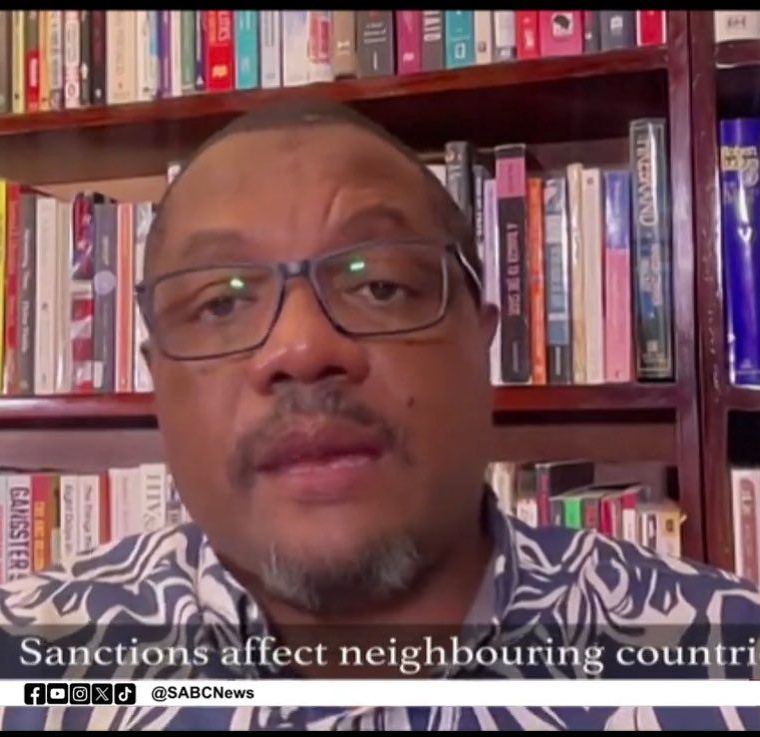
Written by Rutendo Matinyarare, Chairman of ZASM.