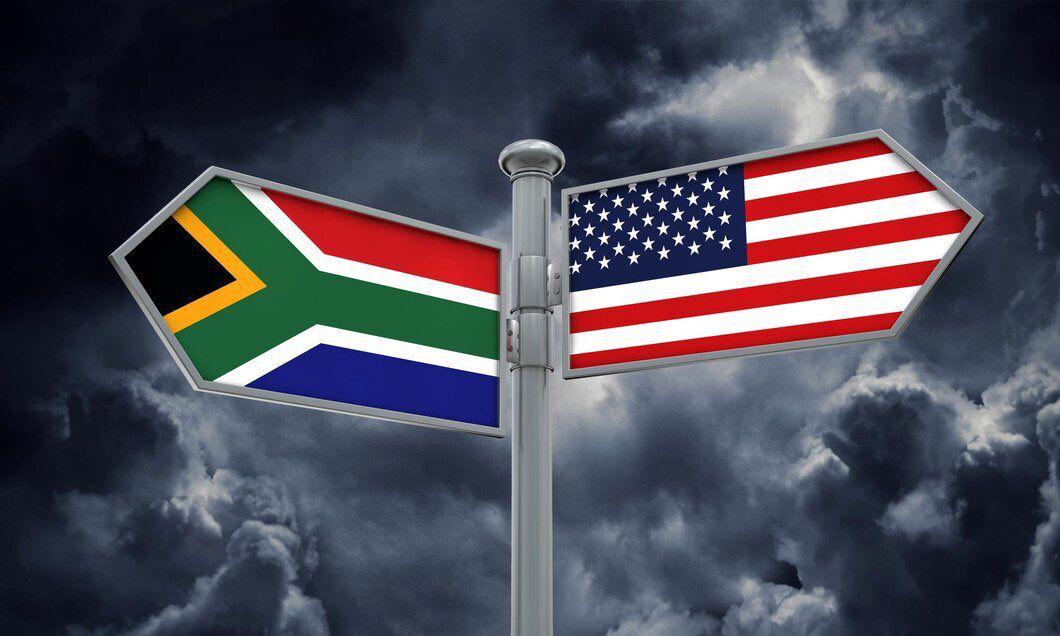
Last night, I spoke with a senior advisor in Washington who helped us fight sanctions. The advisor shared some valuable insights about the relationship between South Africa and the U.S. Trump administration:
1. 𝗧𝗮𝗿𝗴𝗲𝘁𝗲𝗱 𝗳𝗼𝗿 𝗦𝘁𝗮𝗻𝗱𝗶𝗻𝗴 𝗨𝗽 𝘁𝗼 𝗜𝘀𝗿𝗮𝗲𝗹: South Africa is being targeted by the U.S. for its case against Israel and Benjamin Netanyau. Unless South Africa drops its case, sanctions will intensify.
Apparently, the issue of Israel is so severe that the Trump administration has been arresting and deporting leading anti-Israel activists, including students with green cards, who have been vocal about Israel during the Gaza invasion over the past year. According to the advisor, this is due to the Trump administration’s strongly pro-Israel policy, which is being enforced by cracking down on anti-Israeli actors in America. This point was made to emphasis that South Africa is in a highly compromised diplomatic position in Washington by standing against Israel.
2. 𝗘𝘀𝗰𝗮𝗹𝗮𝘁𝗶𝗻𝗴 𝗦𝗮𝗻𝗰𝘁𝗶𝗼𝗻𝘀: More punitive sanctions are on the horizon, including targeted sanctions on individual politicians and restrictions on trade and financial services if South Africa’s position on Israel doesn’t change.
3. 𝗔𝗜𝗣𝗔𝗖 𝗮𝗻𝗱 𝗔𝗳𝗿𝗶𝗸𝗮𝗻𝗲𝗿 𝗟𝗼𝗯𝗯𝘆𝗶𝗻𝗴: The Israel lobby in Washington, AIPAC (American Israel Public Affairs Committee), and Afrikaners have successfully convinced Washington (Congress, Senate, Washington media and the White House) that the South African government is persecuting Afrikaners with racist policies and taking their land.
Meanwhile, the South African governments perspective is missing from Capitol Hill due to a lack of engagement with knowledgeable Afrocentric lobbyists and a failure to create a counter-narrative on the Hill.
4. 𝗜𝗻𝗲𝗳𝗳𝗲𝗰𝘁𝗶𝘃𝗲 𝗗𝗶𝗽𝗹𝗼𝗺𝗮𝗰𝘆: The South African government’s attempts to engage in dialogue with the U.S. through diplomats will be unsuccessful due to the U.S.’s lack of respect for South African diplomats because of Pretoria’s position on Israel, Palestine and Iran.
5. 𝗖𝗵𝗮𝗻𝗴𝗶𝗻𝗴 𝗦𝘁𝗿𝗮𝘁𝗲𝗴𝘆: Unless South Africa revises its strategy and foreign policy position, it will face significant challenges in international relations going forward.
6. 𝗦𝗔𝗗𝗖 𝗮𝗻𝗱 𝗔𝗨’𝘀 𝗦𝗶𝗹𝗲𝗻𝗰𝗲: The advisor questioned why SADC and the AU have not issued statements against the U.S.’s hostile stance on South Africa.
7. 𝗔𝗳𝗿𝗶𝗰𝗮𝗻 𝗨𝗻𝗶𝘁𝘆: A major concern is that Africans are working in silos (isolation) and not utilizing Pan-African lobbyists familiar with Washington’s culture to navigate the complexities.
8. 𝗡𝗲𝘄 𝗔𝗺𝗯𝗮𝘀𝘀𝗮𝗱𝗼𝗿 𝘁𝗼 𝗦𝗼𝘂𝘁𝗵 𝗔𝗳𝗿𝗶𝗰𝗮: With Joel Pollak’s potential appointment as the next U.S. ambassador to South Africa, relations between the two countries may deteriorate further. Pollak has been vocal in his criticism of Pretoria, employing megaphone diplomacy to express his scathing views against Pretoria, even before his nomination and submission of credentials to President Cyril Ramaphosa for acceptance.
Pretoria needs a really knowledgeable Pan African lobbyist who understands Washington to help them navigate the turbulent waters that politics in Washington today.
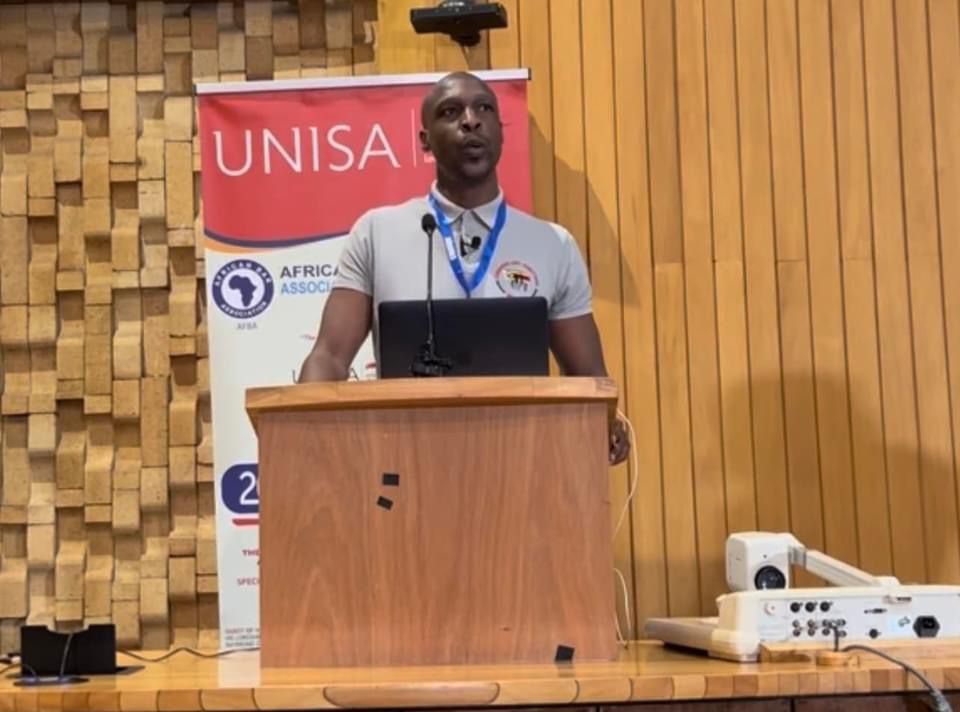
Written by Rutendo Matinyarare, Chairman of ZASM.