 The Constitutional Amendment Bill No. 3 to extend the terms of the President and Parliament has been unanimously voted for by 80.55% of MPs who voted—both the opposition and ZANU PF.
It’s no secret that I did not support CAB3 without a referendum, but at the end of the day, the Parliament of Zimbabwe has carried out its mandate by voting, and it voted for the Bill, and this can’t be ignored.
This decision by Parliament was so important and PROTECTED by law, that even the Constitutional Court of Zimbabwe refused to interfere with the process by making any rulings before Parliament undertook its role, which is safeguarded by the separation of powers.
In my consultations with even South African lawyers, they all agree that the judiciary—even that in South Africa—would not be entitled to overreach and make a ruling about the constitutionality of a Bill before Parliament had carried out its constitutional processes of passing or rejecting the Bill.
The Bill will now go to the Senate, but irrespective of how the Senate votes, the lower house will be the one that decides whether the Bill is signed by the Clerk of Parliament and sent to the President, irrespective of how the Senate votes or what amendments it recommends to the current Bill.
I respect the outcome of the parliamentary process, irrespective of how I feel about it because our Constitution allows this. Whether I have misgivings about the constitutionality of the process is neither here nor there because that judgment can only come from the courts.
Now the President will decide whether he signs it into law, and if there are any people who believe that the Bill or its process of inception were unconstitutional or illegal, they can now approach the courts for recourse and, if the courts rule and all appeal processes are exhausted, then the outcome becomes the final decision.
Yesterday, Judge Patel, in his decision on Prince Dubeko Sibanda’s application to the Constitutional Court, seemed to suggest that he can approach the Constitutional Court again to test whether the Bill that Parliament voted for was constitutional, once the parliamentarians have voted.
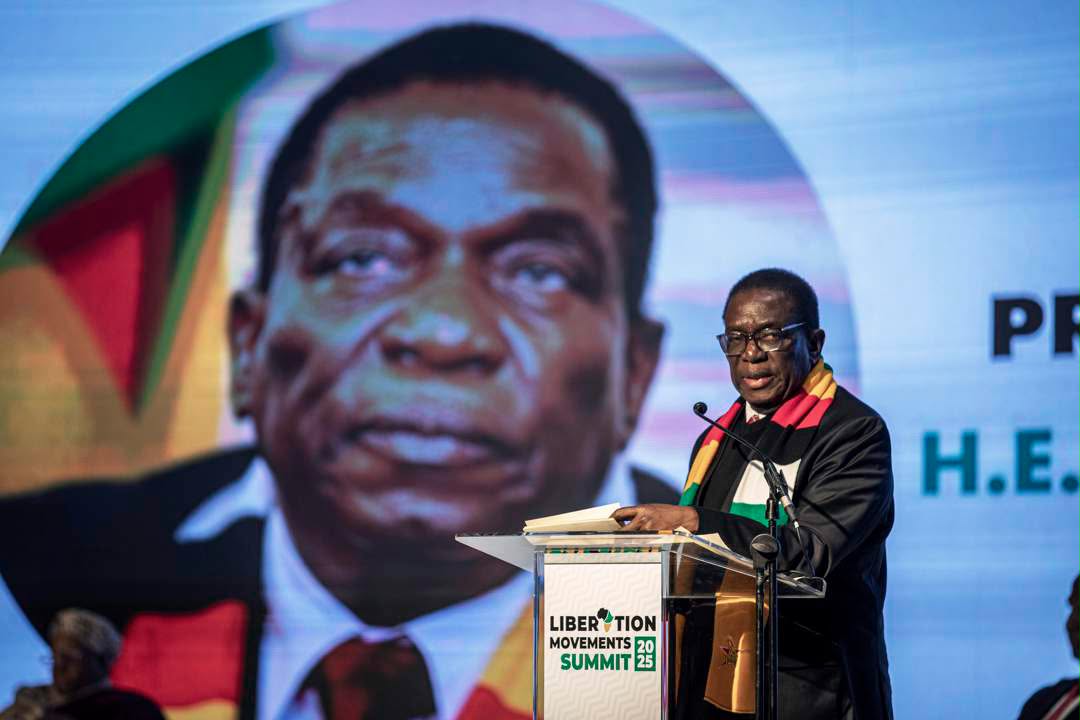
I would also like to issue a point of caution on the constitutionality of whether President Mnangagwa, as the incumbent, can enjoy the term extension made during his tenure.
It’s important for us to remember that the President has not yet confirmed whether he will indeed remain in office until 2030. What this means is that those who are strictly arguing that the Bill is unconstitutional because the President cannot proceed until 2030 unless he amends Section 328, can only advance a such a valid legal argument once the President confirms his intention to remain in office until 2030 and the cancellation of the 2028 elections.
Then, of course, there are those who are challenging the constitutionality of the initiation, formulation, and inception of the Bill. Their challenges are only likely to be heard after the President has signed the Bill. Others, such as the war veterans, are already being heard in the lower courts following the Constitutional Court ruling yesterday.
So, let the process of democracy and its safeguards continue to play themselves out, because it is through these processes that a nation maintains peace and tranquillity that guarantee national development, which we all want.
Our failure to traverse this process in an orderly manner is a threat to all Zimbabweans. Hence, we say: let us hope that this process will proceed in a manner that brings consensus and unity.
Written by Rutendo Matinyarare, Chairman of ZASM.