acidic soils Adesina and Mnangagwa African Development Bank (AfDB) AGRA Akinwumi Adesina Alliance for green revolution africa Bill & Melinda Gates Foundation Boko Haram killing seeds farmers cellphone geolocation Nigeria Chemical fertilizers in Nigeria former Minister of Agriculture Nigeria France Funders of AfDB. Germany GMO cassava GMO cow peas GMO Maize GMO rice GMOs in Africa Imperialism in African agriculture Japan Nigerian agriculture Pesticide resistance Rockefeller Foundation rural farmers Nigeria soil infertility traditional seed farmers being killed US Zimbabwe food sovereignty Seed dependency in Africa
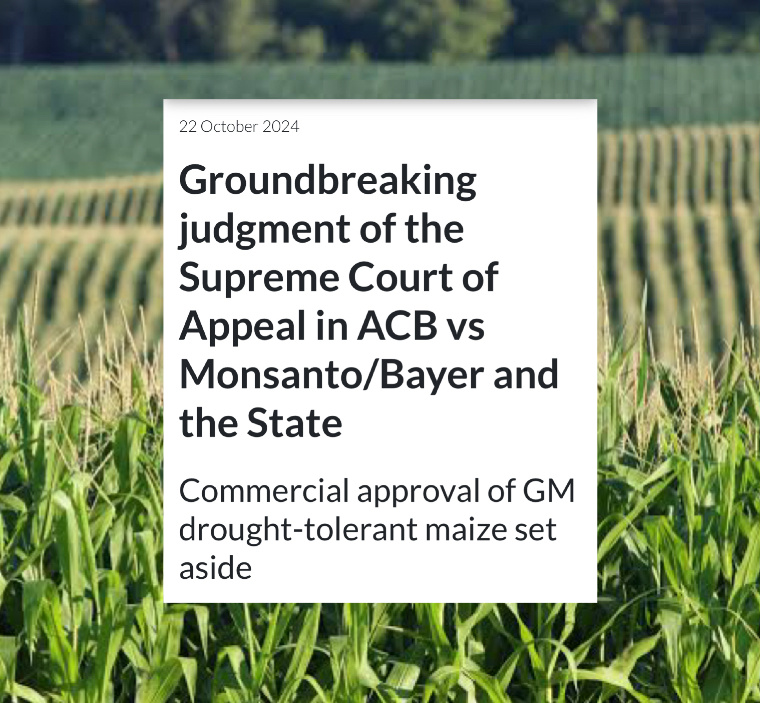
South Africa’s Supreme Court reverses approval of Monsanto’s GMO maize after a nine-year battle led by the African Center for Biodiversity, citing unaddressed safety concerns. This landmark ruling is the first on GMOs in South Africa, exposing the approval of GMOs without thorough health and environmental impact assessments. The decision raises crucial questions about the regional impact of GMOs on African nations reliant on South African imports and sets a precedent for greater scrutiny on GMO safety across the continent.
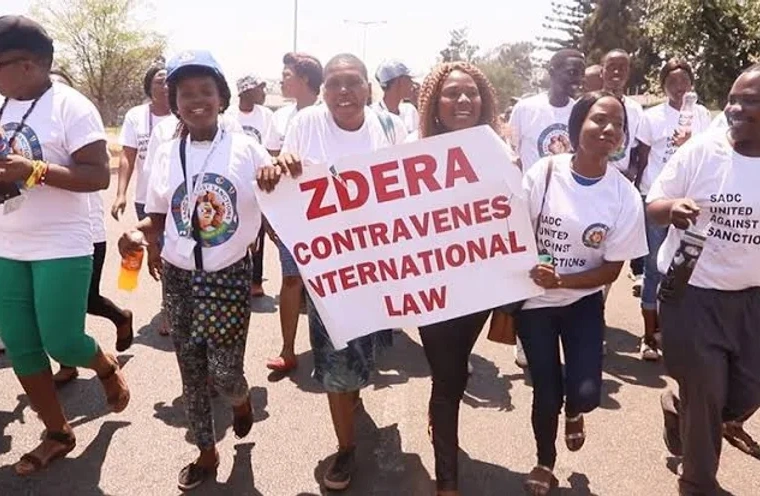
Mass marches won’t lift individual sanctions in Zimbabwe. This post explores the flawed strategy by ZANU PF to use mass mobilization for removing individual sanctions imposed by the US. Unlike collective sanctions, which impacted civilians, individual sanctions target specific officials. The post also highlights how successful previous campaigns worked in South Africa and why those accused of human rights violations should focus on legal avenues to clear their names instead of mass protests
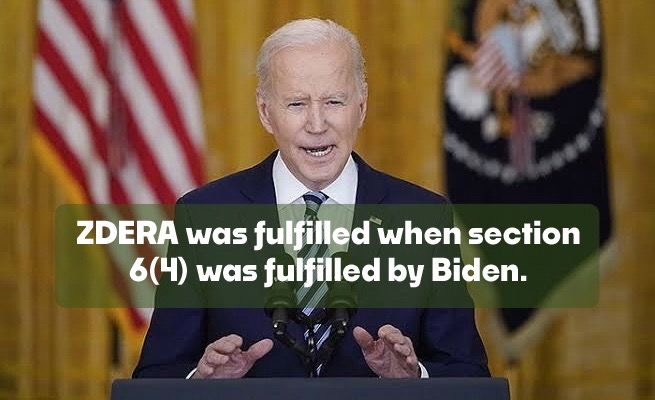
This article explores why the Zimbabwe Democracy and Economic Reconstruction Act (ZDERA) cannot be classified as a sanction. It delves into the legal and practical distinctions between sanctions and the provisions of ZDERA, highlighting Zimbabwe’s debt challenges, its historical ties to multilateral loans, and its intervention in the Congo. The post also examines how ZDERA differs from traditional US sanctions, clarifying key legal aspects, and questions Zimbabwe’s current fiscal strategies. Written by Rutendo Matinyarare, the article provides a critical perspective on Zimbabwe’s economic landscape.
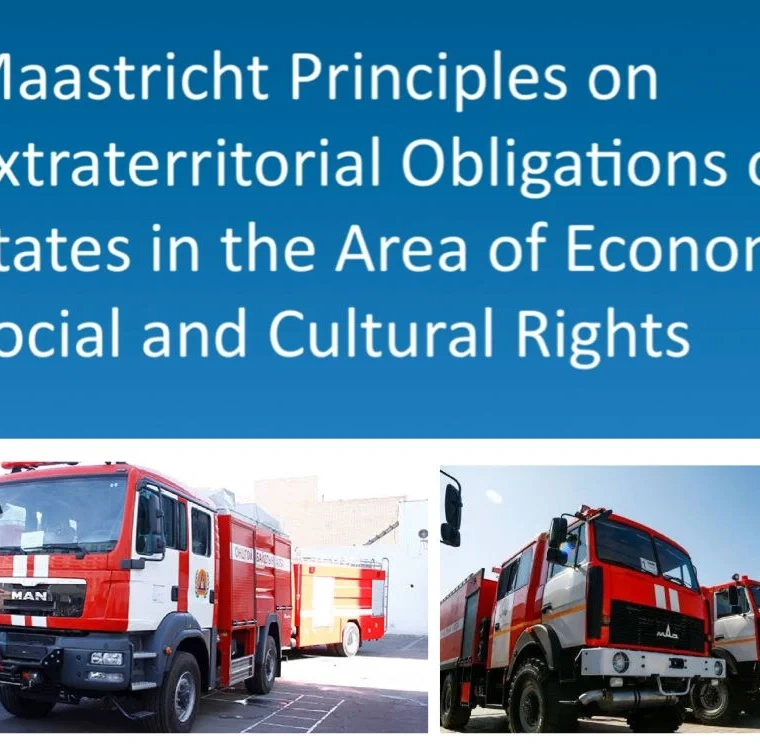
The Zimbabwean government must act to secure fire engines withheld by Lithuania under EU sanctions, as per ICJ and Maastricht Principles on human rights obligations. These principles mandate Lithuania to protect Zimbabweans’ rights to emergency services. If diplomacy fails, Zimbabwe can pursue legal action, including reparations. Additionally, Zimbabwe has a duty to protect its citizens from toxic GMOs smuggled from South Africa, enforcing human rights and food safety laws.
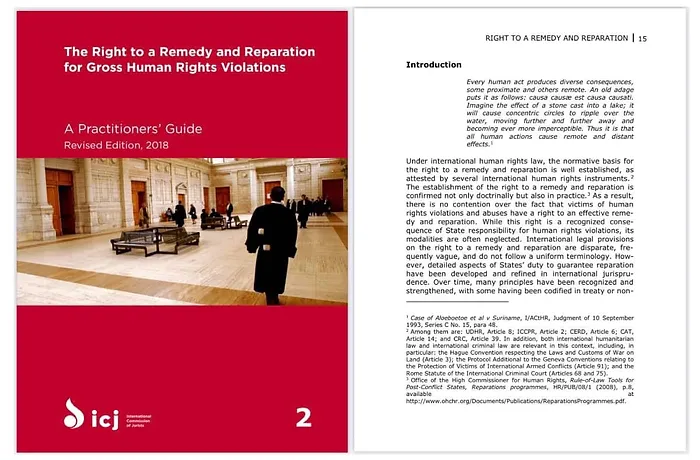
Zimbabwe must pursue reparations for illegal U.S. sanctions, which deprived civilians of basic human rights, as confirmed by a U.S. Congress report. With the law on Zimbabwe’s side, including ICJ guidelines on state responsibility for human rights violations, these reparations could restore infrastructure, compensate farmers, and strengthen the economy. International lawyers are ready to represent Zimbabwe in seeking justice for these sanctions-induced violations.